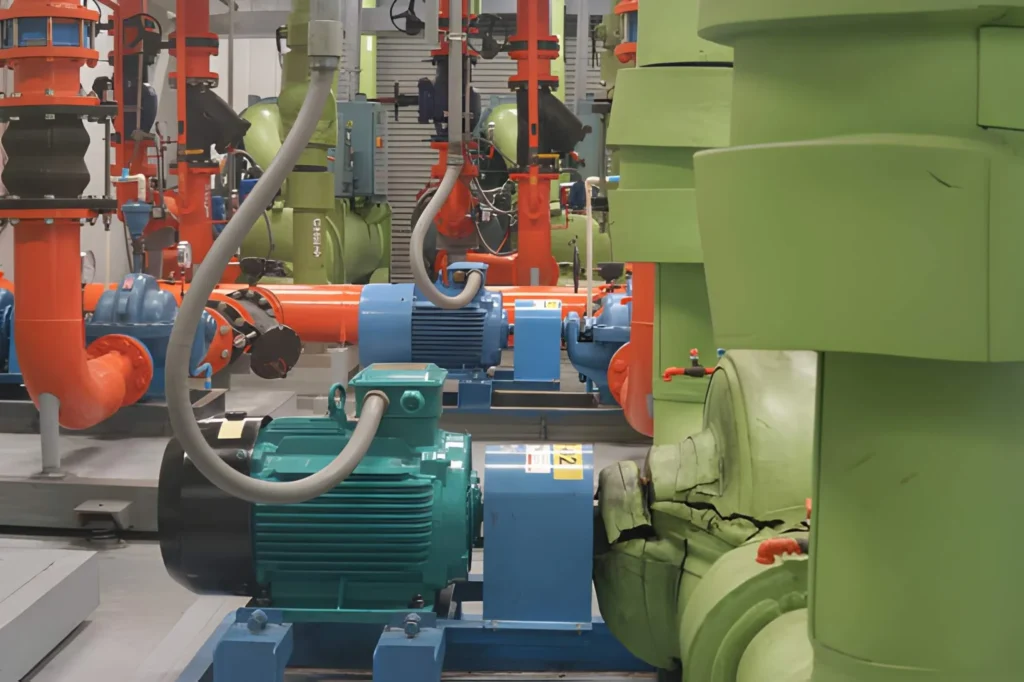
Have you ever stood in front of a humming electrical room and wondered how all that power gets organized without chaos? That order—quiet, precise, and often unnoticed—usually runs through an electrical power distribution box, the backbone of safe and reliable electricity delivery in buildings, factories, and infrastructure projects.
If you are planning a new installation, upgrading an old system, or simply trying to understand what sits behind the wall, this guide will walk you through how these boxes work, how to evaluate them, and how to choose the right one for your needs.
What an electrical power distribution box really is
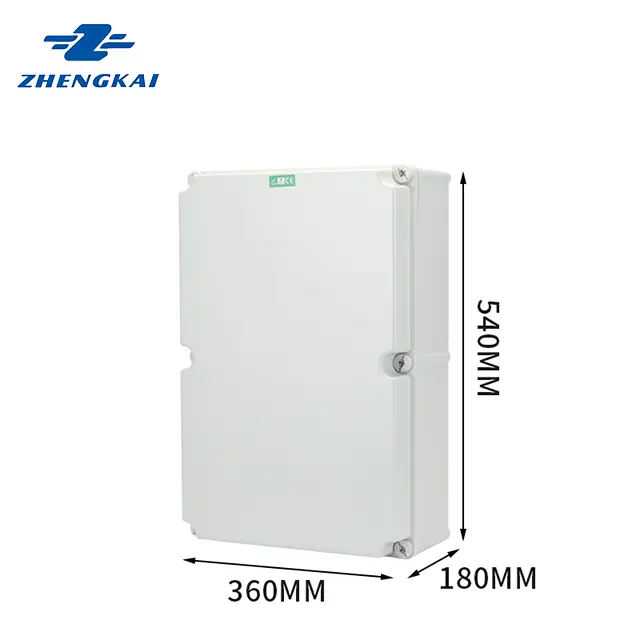
At its core, an electrical power distribution box is a controlled enclosure that receives incoming electrical supply and distributes it to multiple circuits. Think of it as a traffic control center for electricity. Instead of wires branching randomly like a messy junction, everything is routed, protected, and monitored inside a structured housing.
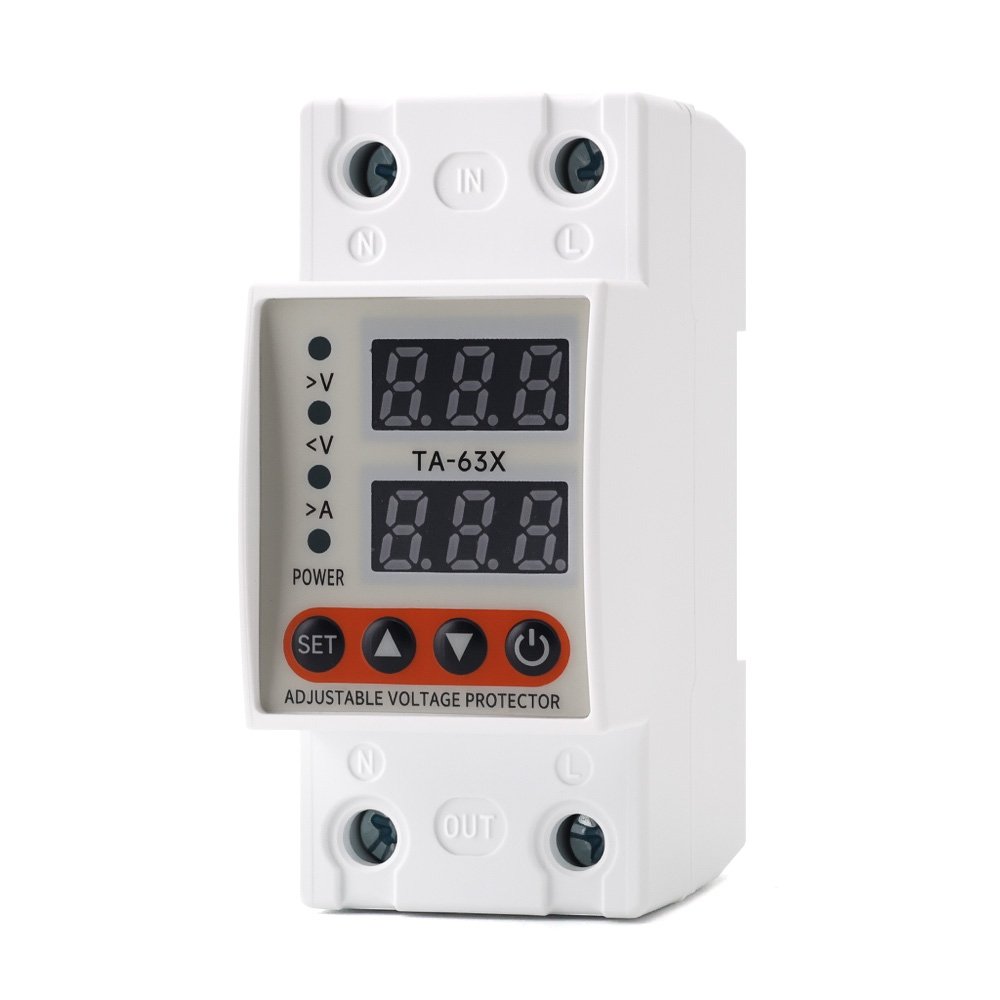
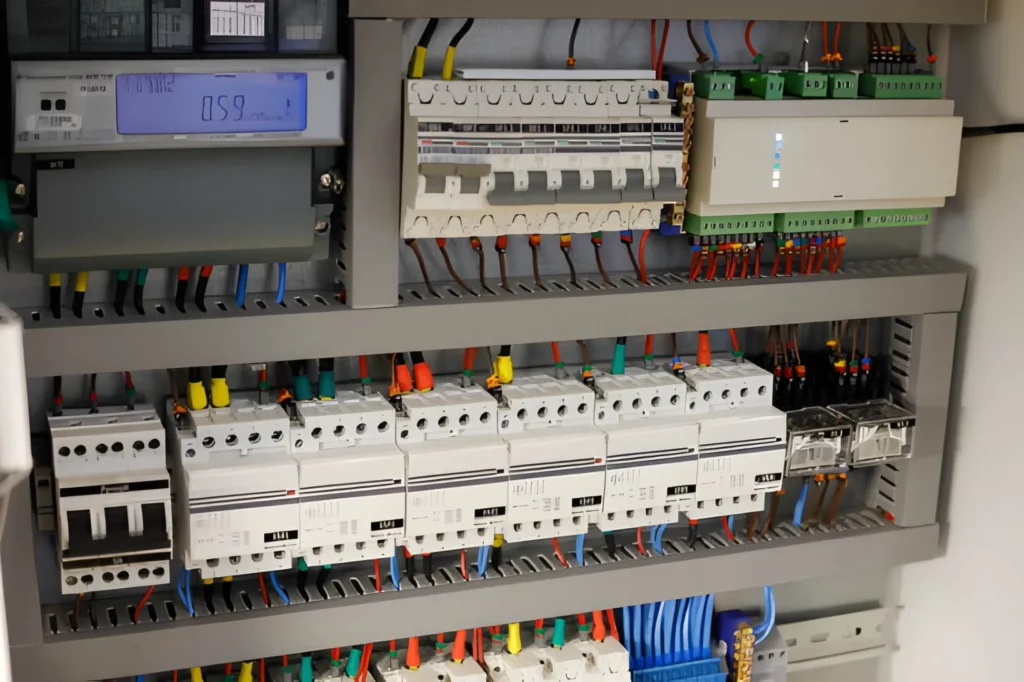
Inside a typical electrical power distribution box, you’ll find circuit breakers, fuses, busbars, terminals, and often metering or monitoring devices. The enclosure protects these components from dust, moisture, heat, and accidental contact. More importantly, it protects you and your equipment from overloads, short circuits, and electrical faults.
In modern facilities, this box is no longer just a “metal cabinet with breakers.” It has evolved into a smart, modular, and highly customizable system that can support industrial automation, renewable energy integration, and remote monitoring.
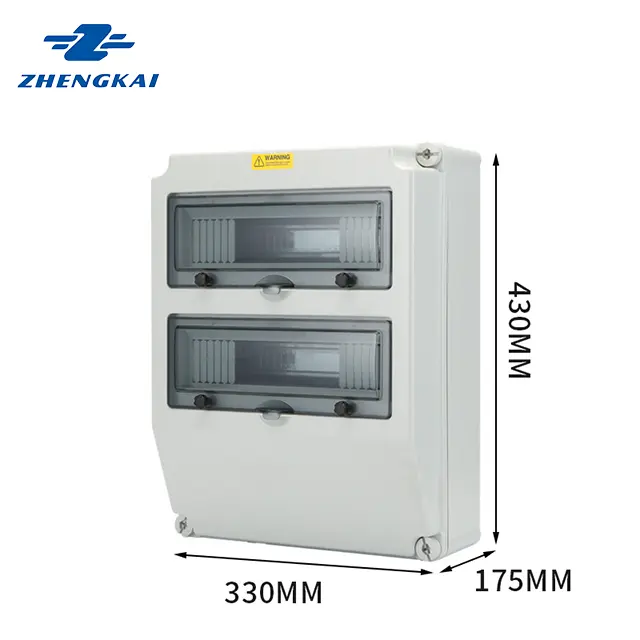
Types of electrical power distribution boxes
Not all distribution boxes are created equal. The type you need depends on voltage level, environment, and application. Here are the most common categories you’ll encounter.
| Type | Typical use | Key characteristics |
|---|---|---|
| Main Distribution Board (MDB) | Building or plant entry point | Handles high current, connects to transformers or grid |
| Sub Distribution Board (SDB) | Floors, zones, or departments | Feeds smaller circuit groups |
| Lighting Distribution Board | Lighting circuits | Designed for numerous low-load outputs |
| Power Distribution Unit (PDU) | Data centers | Precise metering, rack-mounted options |
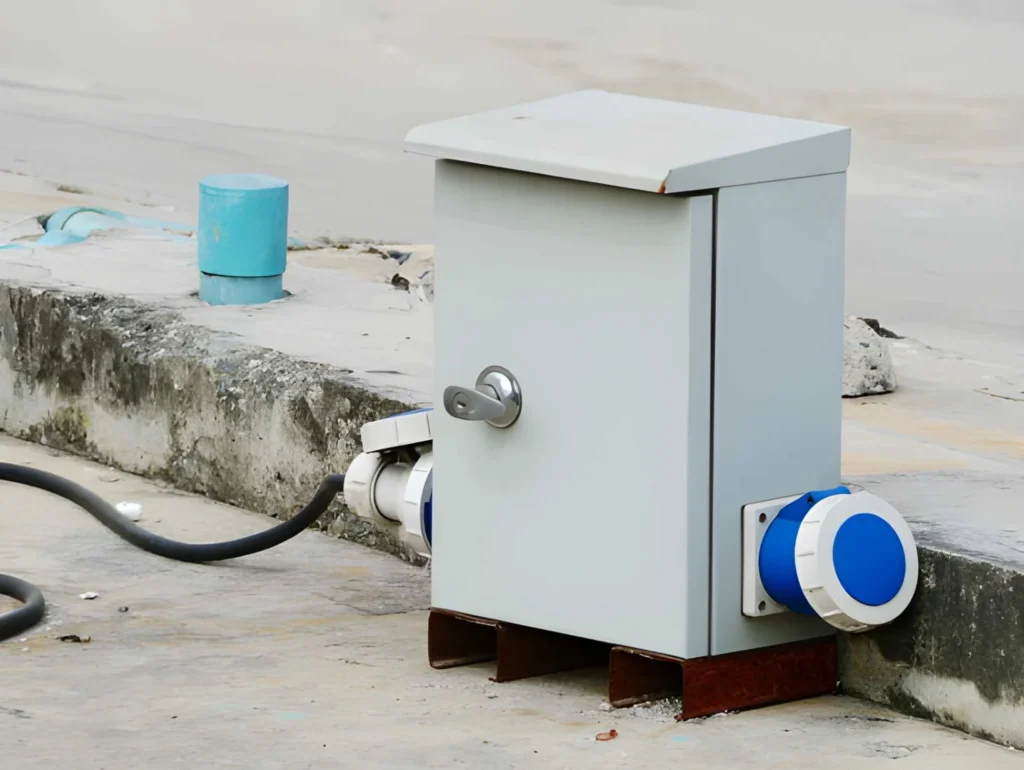
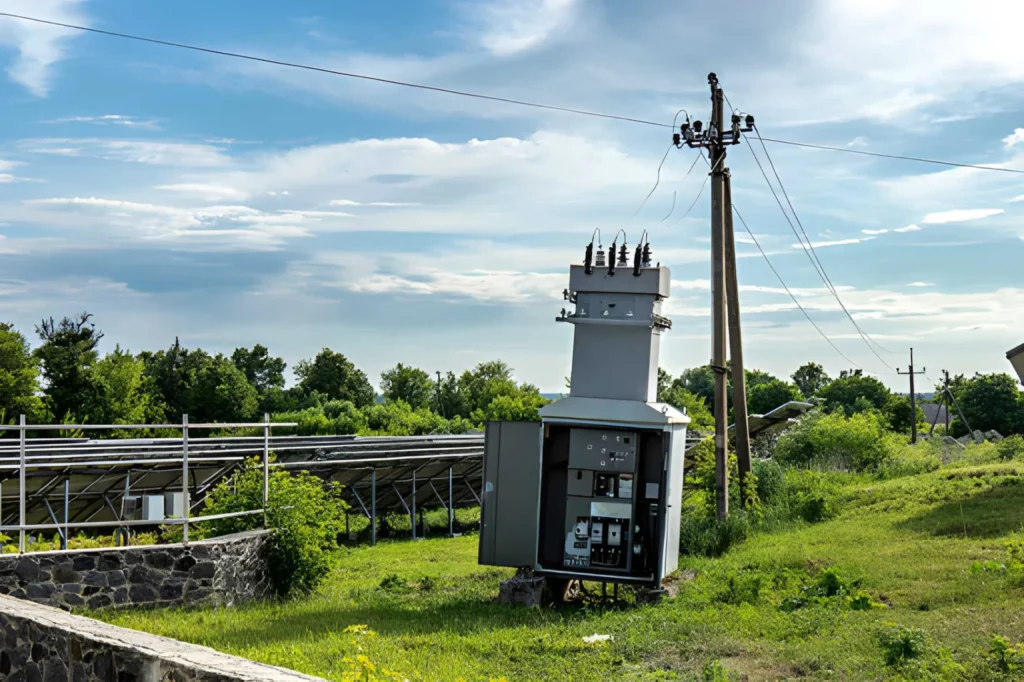
| Outdoor Distribution Box | Street, solar sites, telecom | Weatherproof, corrosion-resistant |
When you select an electrical power distribution box, start by asking: “Is this my main panel or a sub-panel?” Your answer will shape everything from enclosure size to breaker ratings.
Key components inside the box
Understanding what’s inside helps you make smarter decisions. You don’t need to be an electrician, but knowing the basics goes a long way.
| Component | What it does | Why it matters |
|---|---|---|
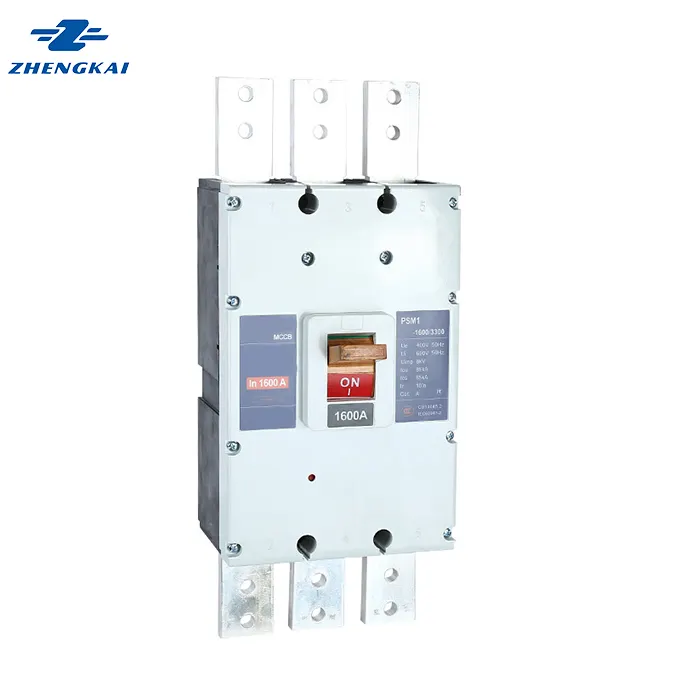
| Circuit breakers | Interrupt fault current | Prevent fire and equipment damage |
| Busbars | Carry and distribute current | Affect efficiency and heat |
| Terminals | Connect incoming/outgoing cables | Influence reliability and maintenance |
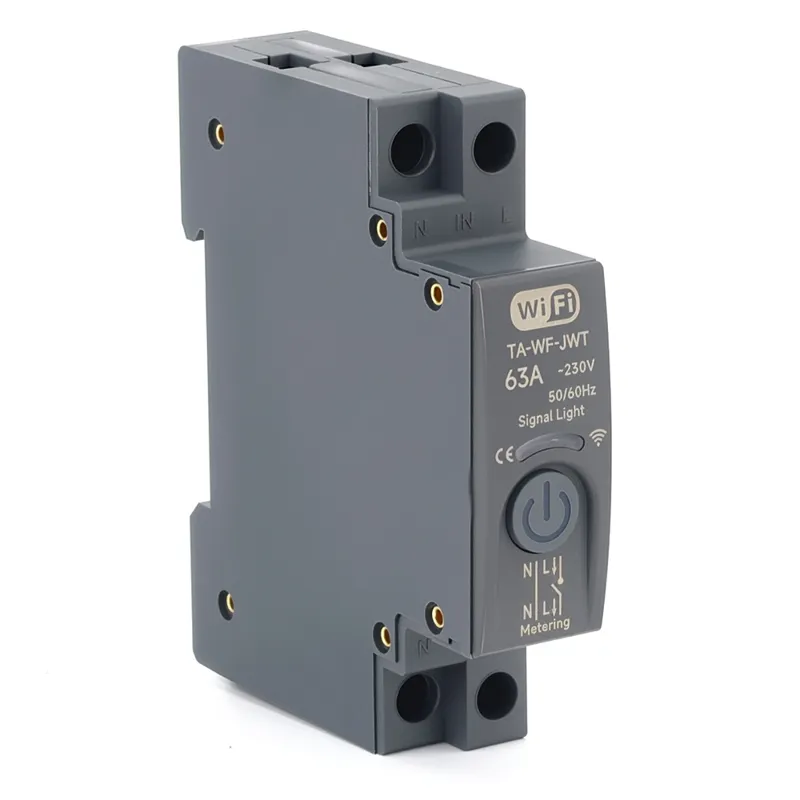
| Meter | Measures energy use | Supports billing and monitoring |
| Surge protection | Blocks voltage spikes | Protects sensitive equipment |
Every well-designed electrical power distribution box balances protection, accessibility, and durability. If maintenance becomes a wrestling match, the design is probably wrong.
Specifications you should care about
Specifications are where buyers often get lost. Let’s simplify.
| Specification | What to check | Typical range |
|---|---|---|
| Voltage rating | Matches your system | 220V–690V (low voltage) |
| Current rating | Fits your load | 63A–6300A+ |
| IP rating | Dust/water protection | IP20 to IP65+ |
| Material | Indoor vs outdoor | Steel, stainless, aluminum |
| Short-circuit rating | Fault tolerance | 10–100 kA |
If you overspecify, you waste money. If you underspecify, you risk outages or hazards. A good electrical power distribution box hits the sweet spot between safety margin and cost.
Smart features that are becoming standard
We are living in the age of “smart everything,” and distribution boxes are no exception. Many modern units now integrate digital capabilities that change how you manage power.
| Feature | Benefit | Best for |
|---|---|---|
| Remote monitoring | Real-time status | Large facilities |
| Energy metering | Track consumption | Cost control |
| IoT connectivity | Data to dashboards | Smart buildings |
| Predictive alerts | Warn before failure | Critical operations |
| Load balancing | Optimize usage | Factories, data centers |
A smart electrical power distribution box doesn’t just distribute power—it gives you visibility and control. If downtime is expensive for you, this is not a “nice to have.” It’s a must.
Where these boxes are used (real-world cases)
You’ll find an electrical power distribution box almost anywhere electricity flows. Here’s how different industries use them.
| Industry | How it’s used | What they prioritize |
|---|---|---|
| Manufacturing | Machine lines | High current, rugged design |
| Commercial buildings | Floors and tenants | Safety, labeling, metering |
| Data centers | Server racks | Precision, redundancy |
| Renewable energy | Solar/wind plants | Outdoor durability, DC handling |
| Hospitals | Critical circuits | Reliability, backup integration |
In factories, the box keeps heavy machinery running smoothly. In hospitals, it literally helps save lives by ensuring stable power to critical equipment.
Installation and placement: doing it right
Even the best electrical power distribution box can fail if installed poorly. Placement matters more than many people realize.
You should avoid areas with excessive heat, moisture, or vibration. Leave enough clearance for ventilation and maintenance. Label every circuit clearly—future you (or your technician) will thank you.
Cable routing should be neat, not crowded. Overstuffed enclosures trap heat and make troubleshooting painful. If your installation looks like a rat’s nest, something went wrong.
Safety and compliance you cannot skip
Electrical safety is not optional. Most countries follow standards such as IEC, UL, or local electrical codes that define how an electrical power distribution box must be designed and installed.
Look for certified products. Ensure proper grounding. Verify that protective devices like MCBs, MCCBs, or RCDs are correctly rated. If you’re unsure, involve a qualified electrician or engineer.
Remember: saving a few dollars on non-compliant equipment can cost you far more in accidents, fines, or downtime.
Sizing and load calculation (in simple terms)
Choosing the wrong size is one of the most common mistakes. Start with your total expected load. Add a safety margin—typically 20–30%.
| Step | What to do | Why |
|---|---|---|
| List all equipment | Add their wattage | Understand demand |
| Apply diversity factor | Not everything runs at once | Avoid oversizing |
| Add future expansion | Plan ahead | Reduce upgrades later |
| Select breaker ratings | Match load + margin | Ensure protection |
If your facility is growing, your electrical power distribution box should be ready to grow with it.
Maintenance: keep it healthy
An electrical power distribution box is not “install and forget.” Regular inspection prevents surprises.
Check for loose connections. Look for discoloration or burning marks. Clean dust buildup. Test breakers periodically. In industrial settings, schedule professional maintenance at least once a year.
A well-maintained box can last decades. A neglected one can fail in months.
Cost vs. value: what are you really paying for?
Prices vary widely based on size, materials, and smart features. A basic indoor box may be relatively affordable, while a custom, smart, industrial-grade electrical power distribution box can be a significant investment.
Ask yourself: Is this box protecting expensive equipment? Is downtime costly? If yes, spend more on quality, safety, and monitoring. Cheap solutions often become expensive problems.
How to choose the right box (practical checklist)
Before you buy, walk through these questions:
- Is this for main power or sub-distribution?
- Indoor or outdoor?
- What is your maximum current and voltage?
- Do you need metering or remote monitoring?
- Are you planning future expansion?
- What safety standards must you comply with?
If this feels overwhelming, you don’t have to do it alone. You can contact us to discuss your project details and request a tailored quotation that matches your technical and budget requirements.
Conclusion
An electrical power distribution box is far more than a metal cabinet—it is the nerve center of your electrical system. It protects your people, powers your equipment, and increasingly, provides the data you need to operate smarter.
By understanding types, specifications, smart features, and real-world applications, you put yourself in a strong position to make informed decisions. Choose thoughtfully, install carefully, and maintain consistently. Do that, and your power distribution system will quietly do its job for years to come—just the way it should.
FAQ
What is an electric power meter in a distribution box?
An electric power meter measures how much electricity flows through a circuit in the distribution box. It tracks energy consumption, typically in kWh, for billing, monitoring, or efficiency analysis.
Can one electric power meter monitor multiple circuits?
Some meters are single-circuit, while others are multi-channel. In many modern panels, a smart meter can monitor several circuits simultaneously through current transformers.
Do I need an electric power meter in my panel?
If you want accurate energy tracking, cost allocation, or load analysis, yes. It is especially useful in factories, commercial buildings, and data centers.
How accurate are electric power meters?
Quality meters usually meet Class 1 or Class 0.5 accuracy standards, meaning measurement errors are typically within 0.5–1%.
Can smart meters connect to my building management system?
Yes. Many modern electric power meters support Modbus, Ethernet, or IoT connectivity for real-time data integration.