An air compressor motor can experience demanding operating conditions: frequent starts, changes between loaded and unloaded operation, long running periods and, in some installations, high starting current. Selecting a motor protection circuit breaker (MPCB) therefore requires more than matching the motor’s kilowatt rating to a breaker label.
The correct selection starts with the motor nameplate and continues with the compressor type, starting method, operating cycle, short-circuit conditions and the complete motor starter arrangement. This guide explains the checks that OEMs, panel builders, distributors and maintenance teams should make before specifying an MPCB for an air compressor motor.
What Does an MPCB Do in an Air Compressor Circuit?
An MPCB is a motor protection device designed to provide motor-circuit switching and specified protection functions. Depending on the model, it commonly combines adjustable thermal overload protection with magnetic short-circuit protection. Its exact ratings and functions must always be checked against the technical documentation for the selected model.
In an air compressor installation, the MPCB is part of the electrical motor circuit. It does not control receiver pressure, replace the compressor pressure switch, operate the unloader valve, or replace a pressure-relief device. These components perform different functions and must be selected and maintained as part of the complete compressor system.
Where the compressor requires remote or automatic start/stop control, a contactor or another suitable switching arrangement may also be required. The MPCB, contactor, motor and upstream short-circuit protection must be assessed as a coordinated combination.
1. Identify the Compressor Type and Operating Duty
Start by identifying how the compressor produces and delivers compressed air. The operating pattern affects motor starting and running conditions, so it should be understood before selecting the protection device.
Reciprocating compressors may use an unloading arrangement to reduce the load during start-up. Confirm whether the unloader operates correctly and whether the motor is expected to start against pressure. Do not assume that every reciprocating compressor has the same unloading design.
Rotary screw compressors may operate with different loaded and unloaded sequences. Check the manufacturer’s control description, expected start frequency, minimum stop time and duty cycle. A compressor that starts frequently may impose a different thermal duty on its motor and starter than one designed for long, continuous runs.
Also record whether the compressor uses direct-on-line (DOL), star-delta, a soft starter or a variable frequency drive (VFD). The starting method changes the current profile and can affect where and how the motor protection device is applied.
2. Read the Motor Nameplate Before Choosing the MPCB
The motor nameplate is the primary source for the electrical data needed to select motor protection. Do not choose an MPCB from compressor horsepower or kilowatts alone. Motors with the same power rating can have different full-load current values because of voltage, efficiency, power factor, frequency and design.
Record at least the following information:
Rated voltage and permitted voltage connection
Rated full-load current (FLA) for the actual supply voltage
Number of phases and supply frequency
Rated power and motor speed, where relevant
Duty rating and service-factor information, if provided
Star or delta connection details, where applicable
Use the current printed on the motor nameplate for the actual operating connection and supply. Published motor-current charts can help with an early estimate, but they are not a substitute for the nameplate or the motor manufacturer’s data.
3. Match the MPCB Adjustment Range to the Motor Current
The selected MPCB must have an adjustable current range that includes the motor’s required overload setting. Check the exact model and order code: the frame rating alone does not tell you whether its adjustment range is suitable.
After confirming that the motor current falls within the device’s documented adjustment range, set the overload element in accordance with the motor manufacturer’s instructions, the MPCB manufacturer’s instructions and applicable electrical codes. There is no safe universal multiplier that should be applied to every compressor motor.
Do not select a larger range simply to avoid nuisance tripping. An incorrectly high setting can reduce the intended overload protection. If the motor trips during normal operation, investigate the cause before changing the setting.
4. Check the Starting Method and Starting Conditions
An air compressor motor may draw a high current during acceleration. The protection device must be suitable for the motor’s starting current and starting duration while still providing the required protection.
For a DOL starter, consider the motor’s inrush current, acceleration time and whether the compressor starts unloaded. For star-delta starting, verify the actual circuit arrangement and the location and function of each protective device. Do not copy a DOL wiring arrangement into a star-delta panel without checking the design.
For a soft starter or VFD, follow the drive or starter manufacturer’s instructions for upstream and downstream protection. Do not assume that a conventional MPCB can be installed on the output side of every VFD. The permitted device type and location depend on the drive design and the manufacturer’s application guidance.
If the selected device offers different trip characteristics, compare the motor’s starting time and current profile with the manufacturer’s published curves. Do not assume a trip class or starting-duty capability unless it is documented for the exact model.
5. Verify Short-Circuit Breaking Capacity and Coordination
Overload protection and short-circuit protection are different checks. Confirm that the MPCB’s rated short-circuit breaking capacity is suitable for the system voltage and the prospective short-circuit current at the point of installation.
When the MPCB is used with a contactor, check the manufacturer’s coordination information for the exact combination. The required coordination type, upstream protective device and installation conditions must be verified from the applicable tables or technical documents. Do not infer a Type 1 or Type 2 coordination rating from the appearance or nominal current of the devices.
For a complete starter arrangement, also verify the contactor’s utilization category and rating, control voltage, switching frequency and the compressor manufacturer’s control requirements.
6. Consider the Installation Environment
The electrical enclosure can affect the operating conditions of the MPCB. Check ambient temperature, enclosure temperature rise, ventilation, mounting orientation, conductor size, terminal tightening requirements, vibration and contamination.
If the panel is installed in a hot compressor room or a location with dust, oil mist or vibration, check the device manufacturer’s installation limits and any applicable derating guidance. Do not assume an IP rating for the MPCB or the completed panel unless it is stated in the relevant product documentation.
7. Confirm the Exact Model and Supporting Documents
Before placing an order, compare the motor requirements with the exact MPCB model’s adjustment range, rated operational voltage, breaking capacity, dimensions, terminal arrangement, mounting method and available accessories.
ZK-ELE lists GV2-M and GV3-M motor protection product families. Their published ranges and ratings are model-specific; confirm the current datasheet and order code for the motor you are protecting rather than assuming that every model in a series has the same range.
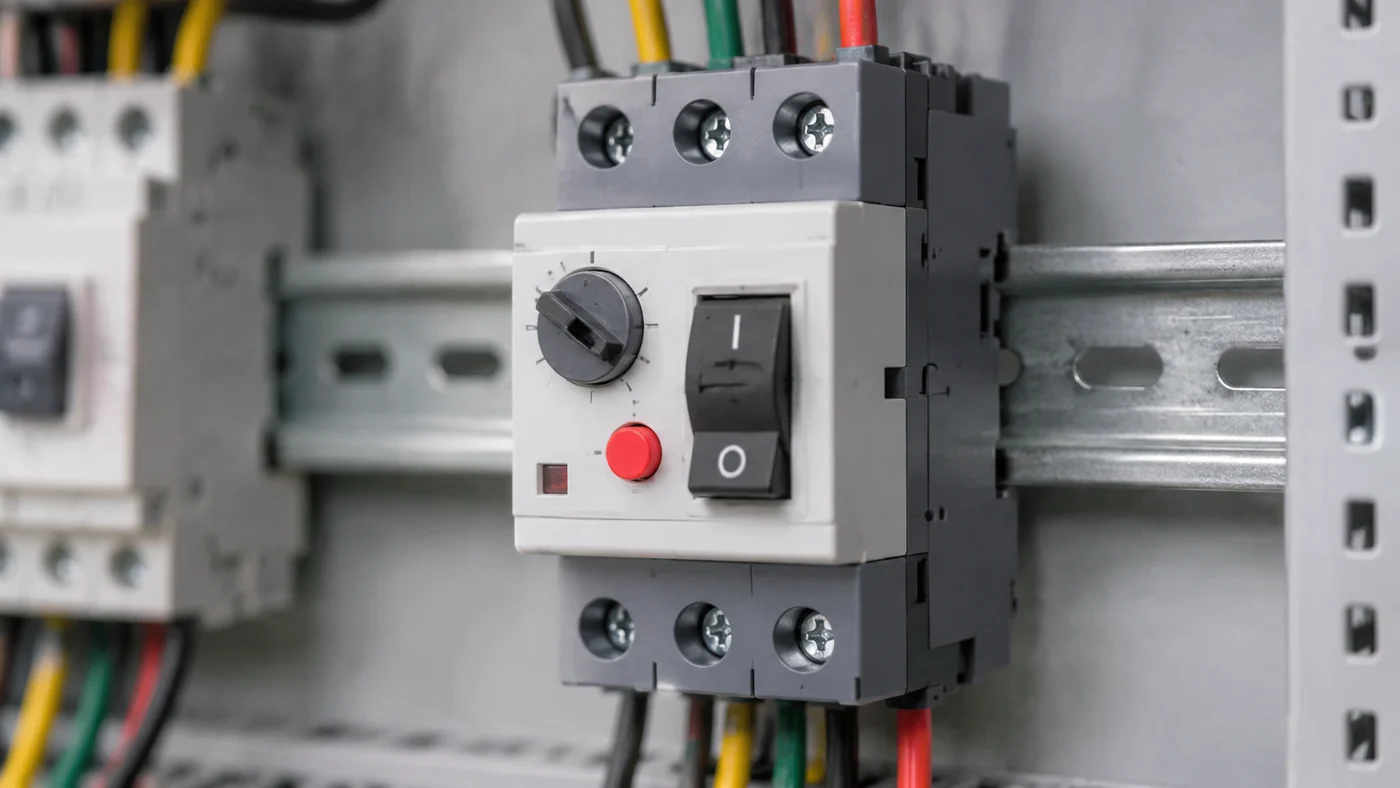
Illustrative close-up of a motor protection circuit breaker on DIN rail: adjustable current dial, trip indicator and manual on/off positions. Confirm the rated current range and terminal arrangement on the datasheet for the exact model before ordering.
Typical Selection Checks for Different Compressor Setups
Compressor setup
What to verify
Selection caution
Reciprocating compressor with DOL starting
Motor nameplate current, starting duration, unloading arrangement and expected start frequency.
Do not assume the motor always starts unloaded; confirm the compressor control design.
Rotary screw compressor
Loaded/unloaded sequence, duty cycle, start frequency, control logic and motor data.
Check the compressor manufacturer’s permitted start sequence and thermal limits.
Star-delta starter
Circuit diagram, device location, current in each section and coordination of the complete starter.
Do not apply a DOL selection or wiring assumption to a star-delta circuit.
Soft starter or VFD
Drive manufacturer’s protection instructions, device location and motor-side protection requirements.
Do not install an MPCB on a VFD output unless the drive manufacturer permits that arrangement.
Common Mistakes When Selecting Compressor Motor Protection
Choosing the MPCB by motor kW or horsepower without checking the nameplate current.
Selecting a current range that does not include the required motor overload setting.
Increasing the setting to stop nuisance trips without diagnosing the starting or mechanical problem.
Ignoring compressor unloading, start frequency or acceleration time.
Checking overload range but not short-circuit breaking capacity at the actual system voltage.
Assuming that every MPCB, contactor and upstream protective device combination has verified coordination.
Treating the MPCB as a substitute for pressure switches, unloader controls, thermal sensors or pressure-relief devices.
Assuming a model is suitable for a VFD, star-delta circuit or harsh environment without checking the manufacturer’s instructions.
Air Compressor MPCB Selection Checklist
Motor nameplate photo and rated current for the actual voltage
Supply voltage, phase and frequency
Compressor type and operating duty
Starting method: DOL, star-delta, soft starter or VFD
Starting time, start frequency and unloading arrangement
Required MPCB adjustment range and exact model
Prospective short-circuit current and required breaking capacity
Contactor and upstream protective-device details
Panel ambient temperature and installation conditions
Required quantity, destination market and documentation
Conclusion
Selecting an MPCB for an air compressor motor is an application-specific engineering task. Start with the motor nameplate, understand how the compressor starts and unloads, match the required current setting to the exact MPCB range, and verify short-circuit capacity and coordination for the complete starter circuit.
If you are sourcing MPCBs for compressor manufacturing, panel building or industrial replacement projects, prepare the motor and starter details before requesting a model recommendation. This helps the supplier check the available product range and provide the relevant technical documents.
Frequently Asked Questions
Can an MPCB protect an air compressor motor?
An appropriately selected MPCB can provide the motor-circuit protection functions stated in its product documentation, commonly including overload and short-circuit protection. It does not replace compressor pressure controls, unloading devices, thermal sensors or pressure-relief equipment.
How do I choose the current range for an air compressor MPCB?
Start with the motor nameplate current for the actual supply voltage and connection. Select an MPCB whose documented adjustable range includes the required setting, then set it according to the motor and device manufacturers’ instructions and applicable electrical codes.
Should I choose an MPCB based on the compressor motor’s kW rating?
No. Motor power is useful for preliminary reference, but the motor nameplate current is the key value for checking the adjustable current range. Voltage, frequency, efficiency and power factor can change the current for motors with the same power rating.
Can I use an MPCB with a VFD-driven air compressor motor?
It depends on the drive manufacturer’s instructions and the intended location of the protective device. Verify whether the device is permitted on the VFD input or output and follow the drive manufacturer’s requirements for motor overload and short-circuit protection.
Does an MPCB replace the compressor pressure switch or unloader?
No. The MPCB is an electrical motor-circuit protection device. Pressure switches, unloading controls and pressure-relief devices perform separate functions in the compressed-air system and must remain correctly specified and maintained.
What should I send to a supplier for an MPCB recommendation?
Provide a motor nameplate photo, rated voltage and current, phase and frequency, compressor type, starting method, operating cycle, starter diagram if available, required quantity and destination market. Include the preferred model or panel requirements if known.
Need an MPCB for Your Air Compressor Motor?
Share your motor nameplate and compressor application details with ZK-ELE. Our team can review the information, check the available MPCB models and confirm which product specifications and supporting documents are available for your requirement.
Send us the following information:
Motor rated voltage and full-load current
Motor power, phase and frequency
Compressor type and starting method
Required MPCB current range or preferred model, if known
Quantity and destination country
OEM branding, packaging or documentation requirements, if applicable
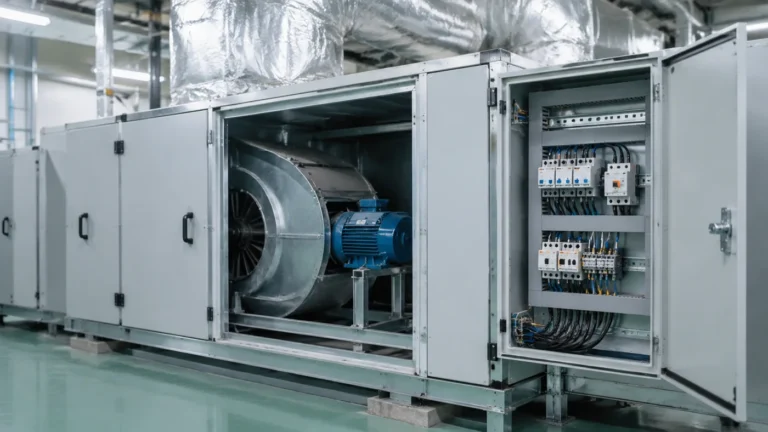
Selecting motor protection for an HVAC fan requires more than matching motor power. Learn how to check fan type, motor current, starting method, VFD requirements and control-panel coordination.
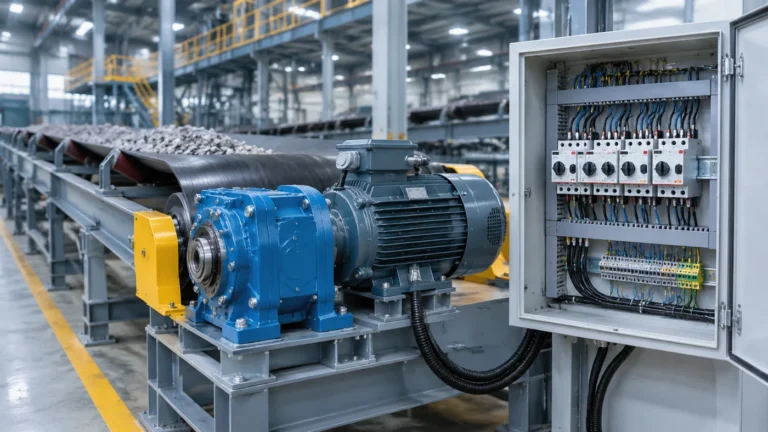
Conveyor motor protection depends on more than rated power. Learn how to assess starting load, belt jams, motor current, drive arrangements and protection coordination.
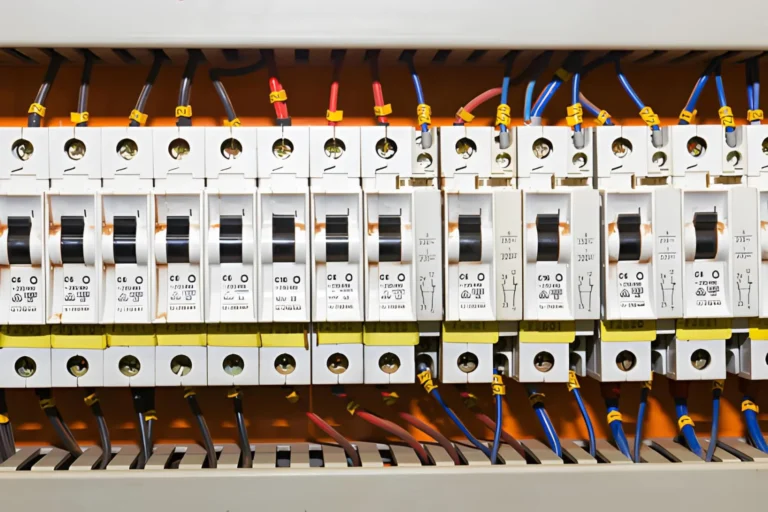
Have you ever wished your electrical panel could tell you what is happening inside your building? That simple question is why smart circuit breakers are rapidly moving from “nice to have” to “necessary” in modern electrical systems. Traditional breakers protect you when something goes wrong. Smart circuit breakers go further. They protect, measure, communicate, and […]